Success Stories
ArmeeGPT
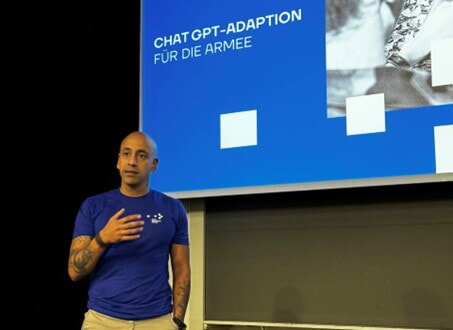
The innovation project "ArmeeGPT" aims to simplify and accelerate lesson planning for lower-level leaders through the use of an AI-supported language model.
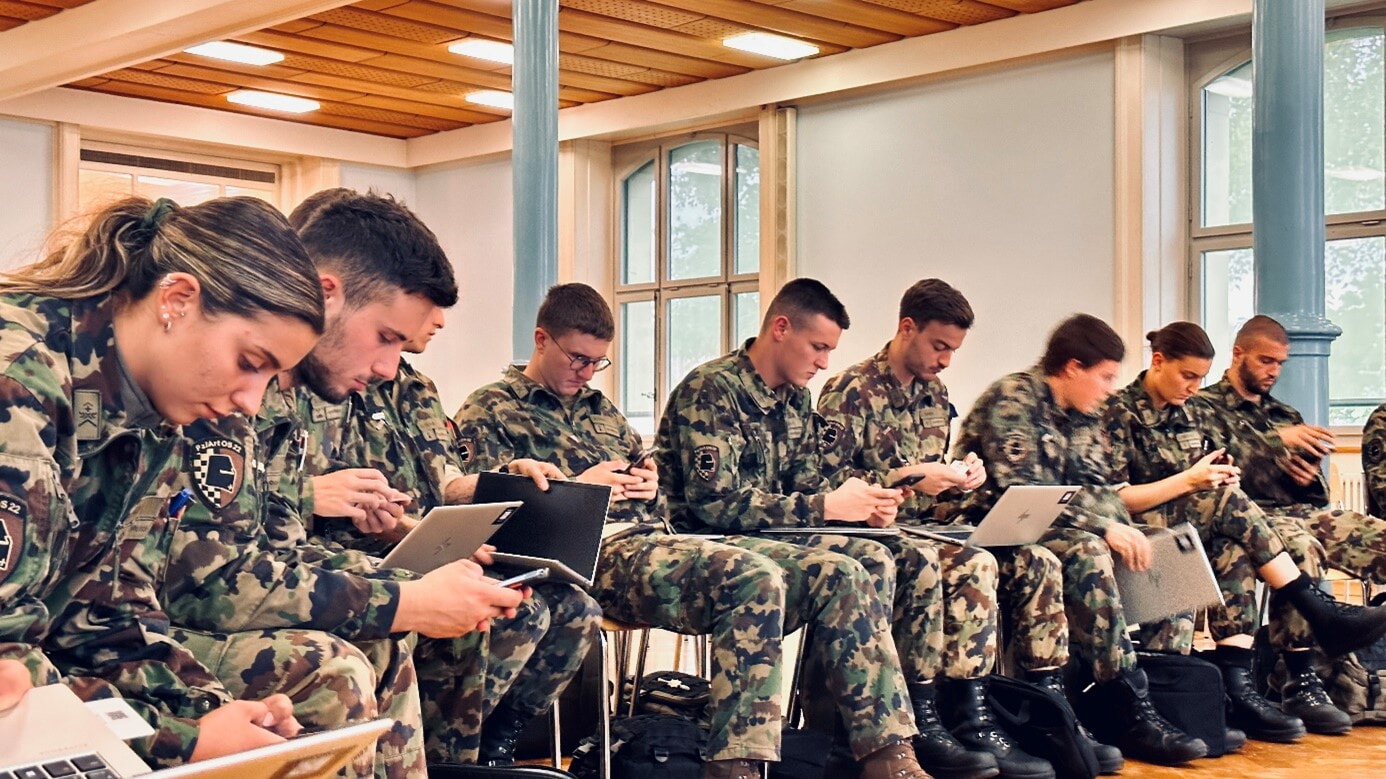
What was the initial situation?
The Swiss Army bases its actions on embedding the training of its soldiers and leaders in regulations. This means that everything being trained must be regulation-compliant. A single regulation quickly amounts to about fifty pages; for specific training sequences, hundreds of pages are accumulated. This is not only inefficient in terms of logistics (space), but also in terms of handling: before you can search for something, you first have to find out where (in which regulation) it can be found.
What was the challenge?
Lesson planning for officer candidates means, among other things, sifting through hundreds of pages of regulations to ensure that the lesson is regulation-compliant. This is tedious and time-consuming. This is where we focused our efforts: By using an AI-based language model (LLM/Large Language Model) under the project name “ArmeeGPT”, we enabled fast and targeted searching, allowing the candidates to ask their questions the way they had them in mind. Additionally, learning content and formats could be created directly.
How did we solve this?
“ArmeeGPT” allows users to ask their questions as if they were facing a human expert. And in their respective mother tongue (even in dialect). However, in our prototype version, the responses were still mostly in standard German. Users could also ask follow-up questions (like in a “real” conversation) and receive suggestions on how to plan (e.g., with a schedule and agenda) and conduct a specific lesson.
The language model behind it was developed by a specialized Swiss technology company, evaluated by us, for the Swiss Army (and is continuously retrained). We used only publicly available data (all data sources on ArmeeGPT could also be found via Google), and the data hosting was in Switzerland; by using an anonymized standard login, we also ensured the protection of personal data.
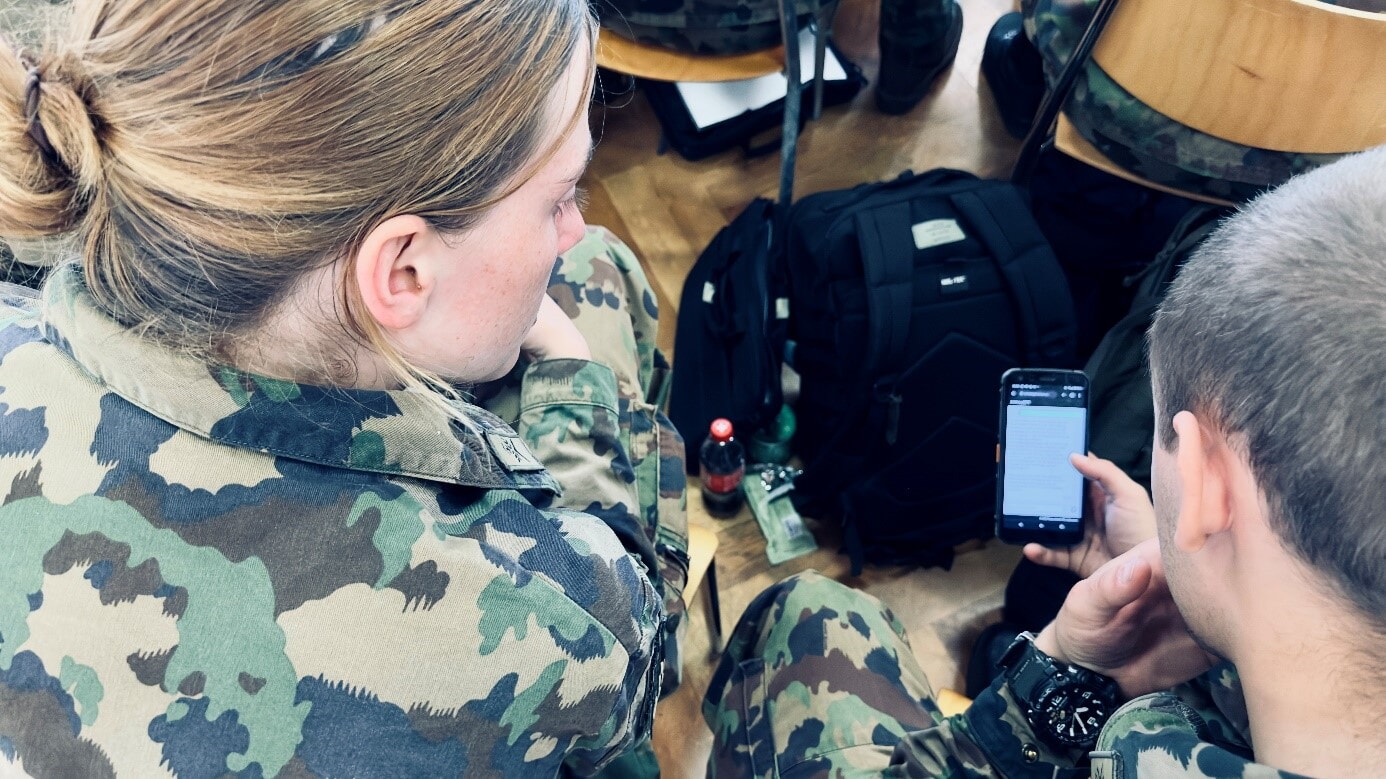
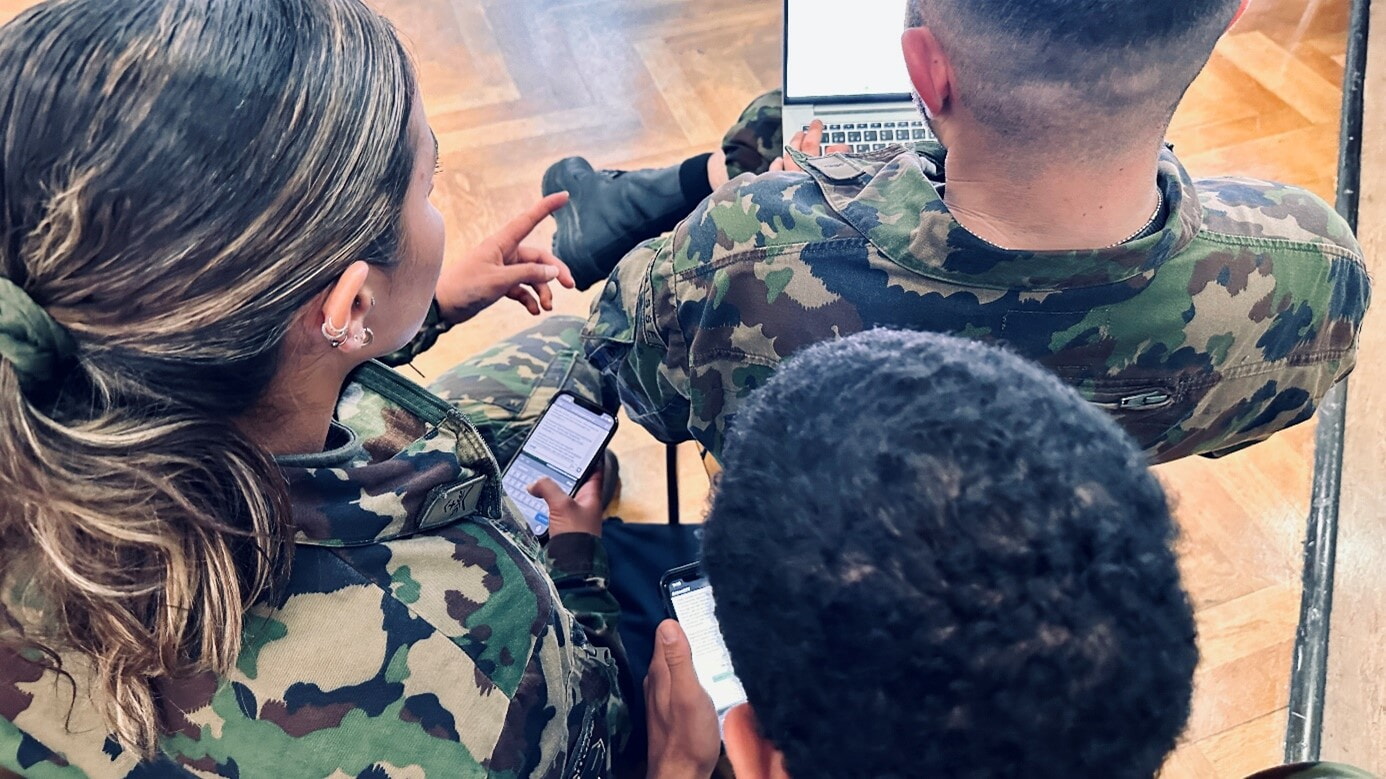
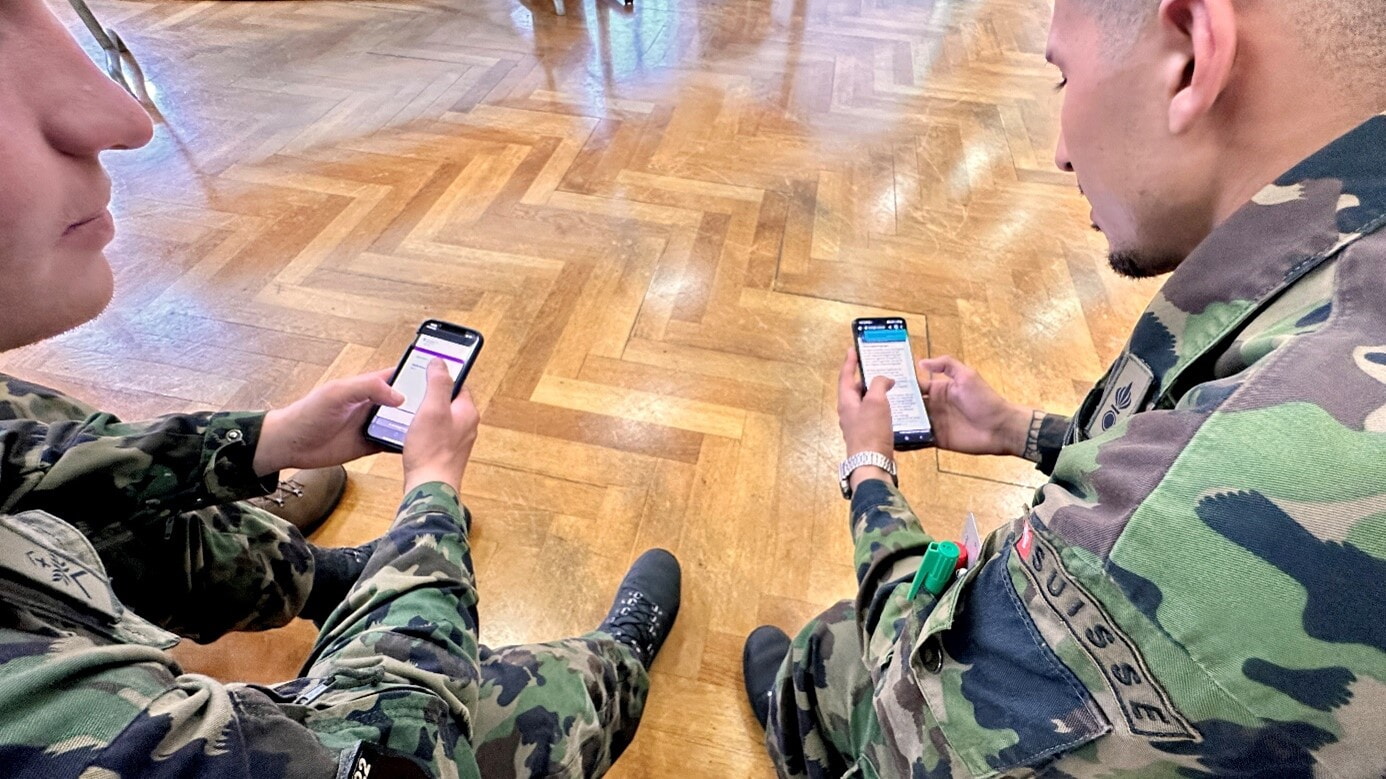
What was our contribution to this?
Under high pressure to implement quickly, the Swiss Innovation Forces, together with a Swiss technology company, developed the first prototype in six weeks and made it available to the troops for testing. Over the following three months, user feedback was continuously incorporated. This allowed for ongoing adjustments and corrections, and users were able to work with an improved version during the next use, without having to wait for release cycles, as is often the case with other technology projects.
Time measurements showed that searching for and finding relevant information and its associated context was on average 46% faster than using physical regulations or PDFs. Additionally, the motivation to use the tool was significantly higher, which positively impacted the motivation for lesson planning in general. In conclusion, the key success factors for this project were both implementation speed and efficiency improvement on the part of the troops.
So what?
We have learned that the militia is ready for the application of AI assistants. Additionally, this results in significant efficiency gains. Not least, the motivation of the troops for tasks that would otherwise be tedious increases significantly. Given the current global developments and our increased focus on the defense capability of the Swiss Army, the ArmeeGPT project will not be continued for the time being.
However, with the insights gained, we are developing new use cases for these technologies that directly contribute to the core mission of the army. In this sense: to be continued.
Similar projects
See all →
Combat surveillance system
How can sensors support security and reduce the response time of the troops?
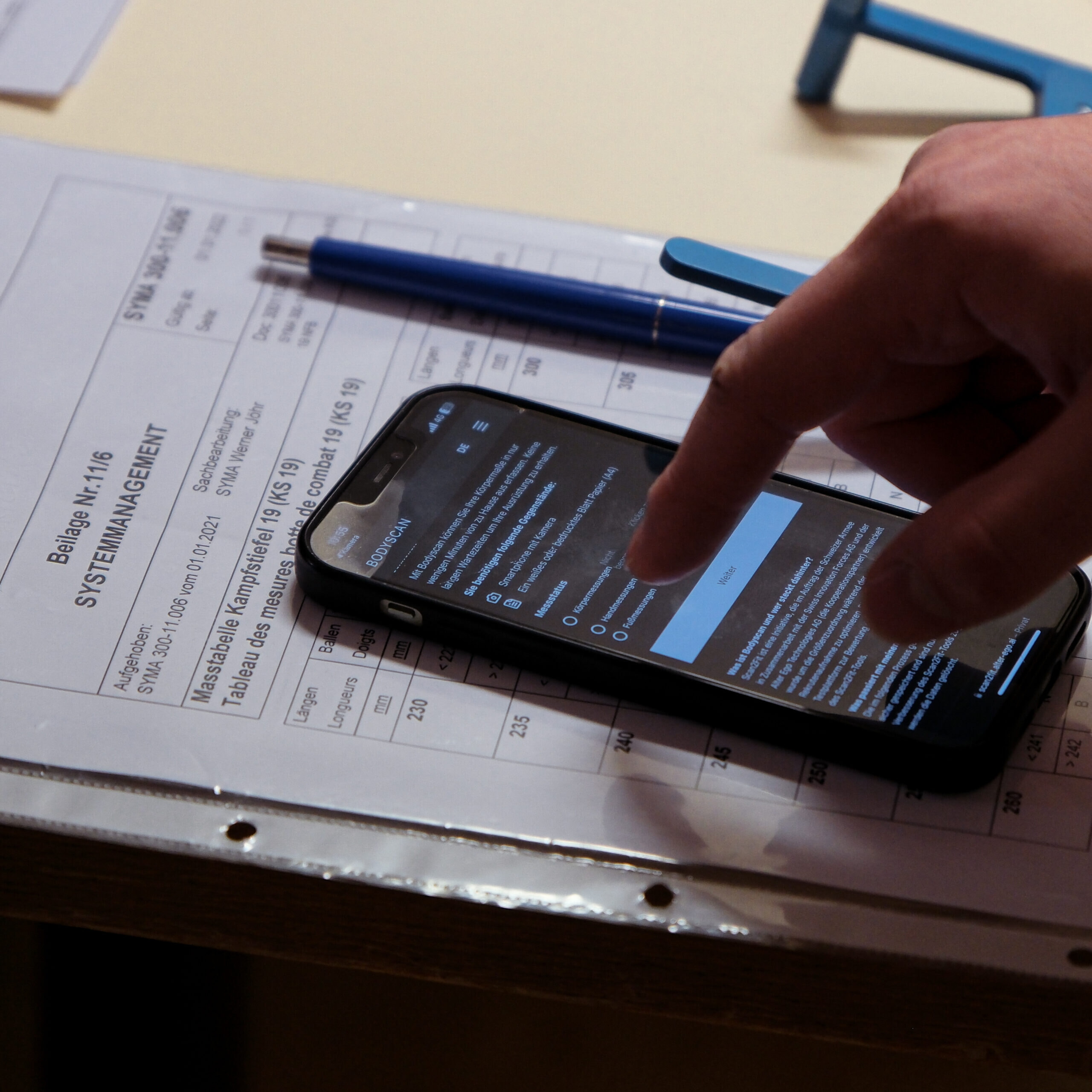
Scan 2 Fit
Recruits scan their own body measurements using a smartphone app, making it easier for them to hand in their personal equipment
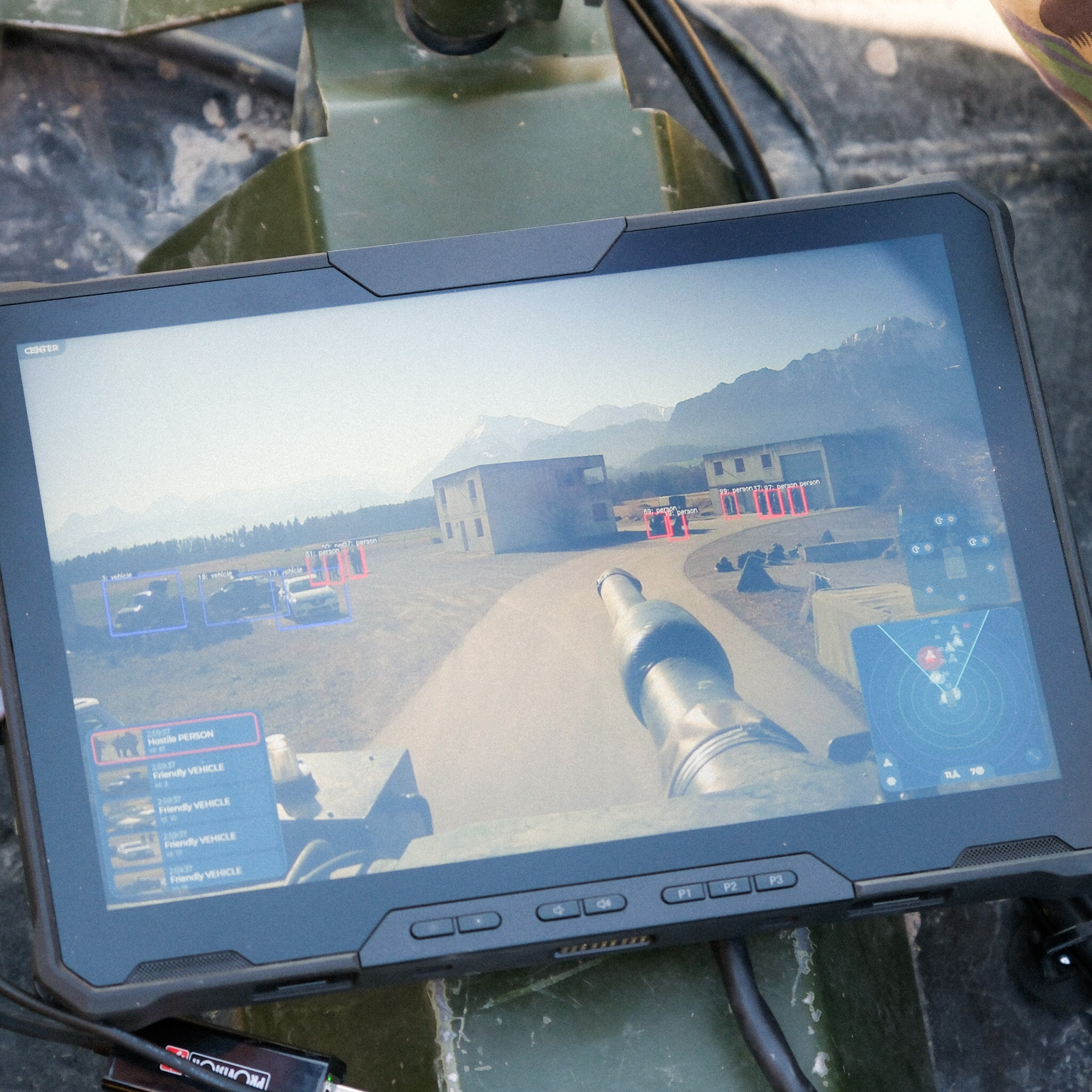
Situational Awareness
How a modular sensor system enhances the protection of combat vehicles
InSight
A Camera Ball for safety and efficiency in critical situations