Success Stories
Situational Awareness
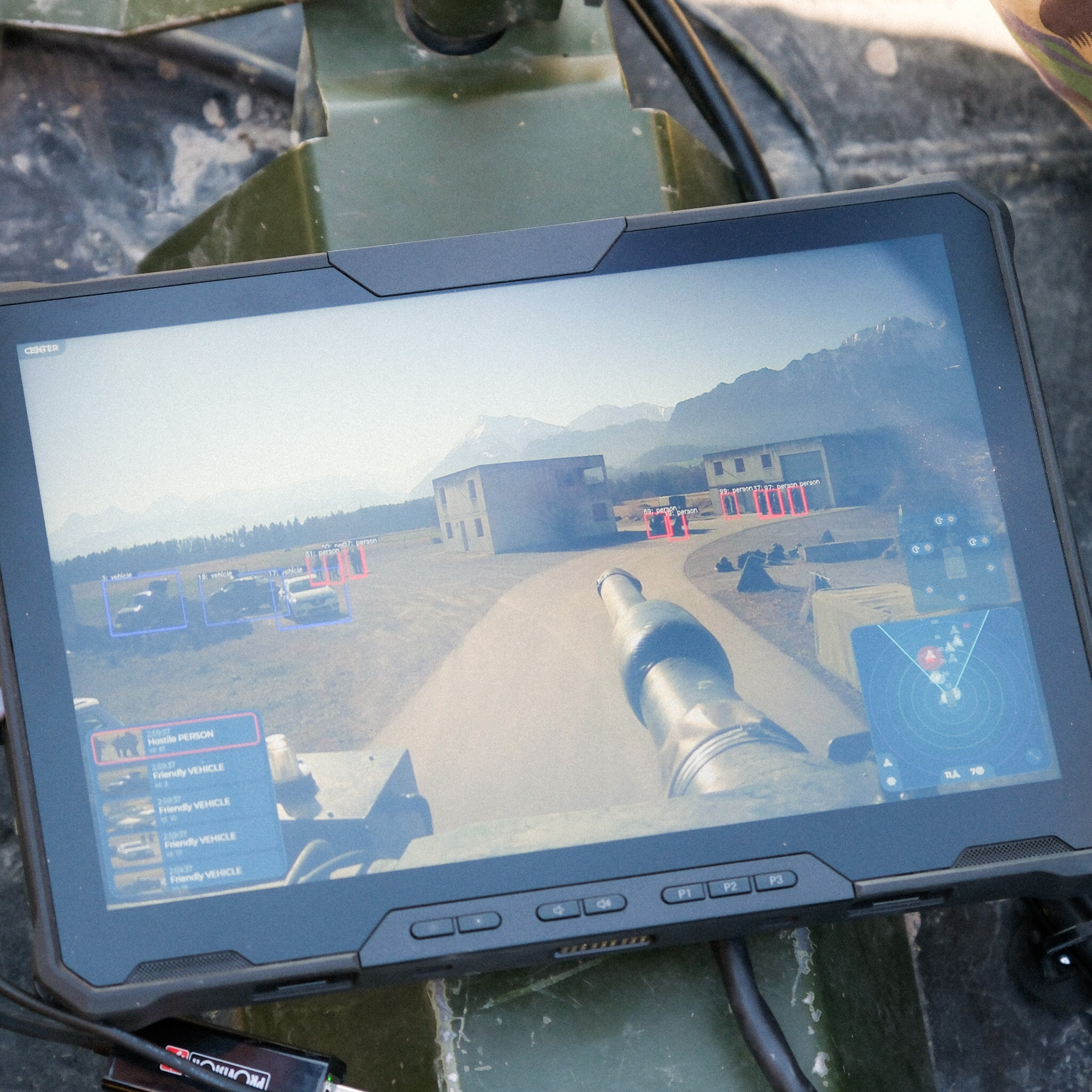
Initial situation and problem
As recent conflicts show, combat vehicles – especially tanks and armoured vehicles – have lost none of their relevance. But their range of use has evolved, and so have the threats: short-range anti-tank devices, hard-to-detect microformations with explosives, and reconnaissance and attack drones.
Today, systems for passive detection of such threats are lacking. Intelligence requires the use of determined forces that are otherwise lacking – and visibility, weather, darkness, or fatigue can limit its effectiveness. This significantly reduces the survivability of humans and materials.
Solution / Product
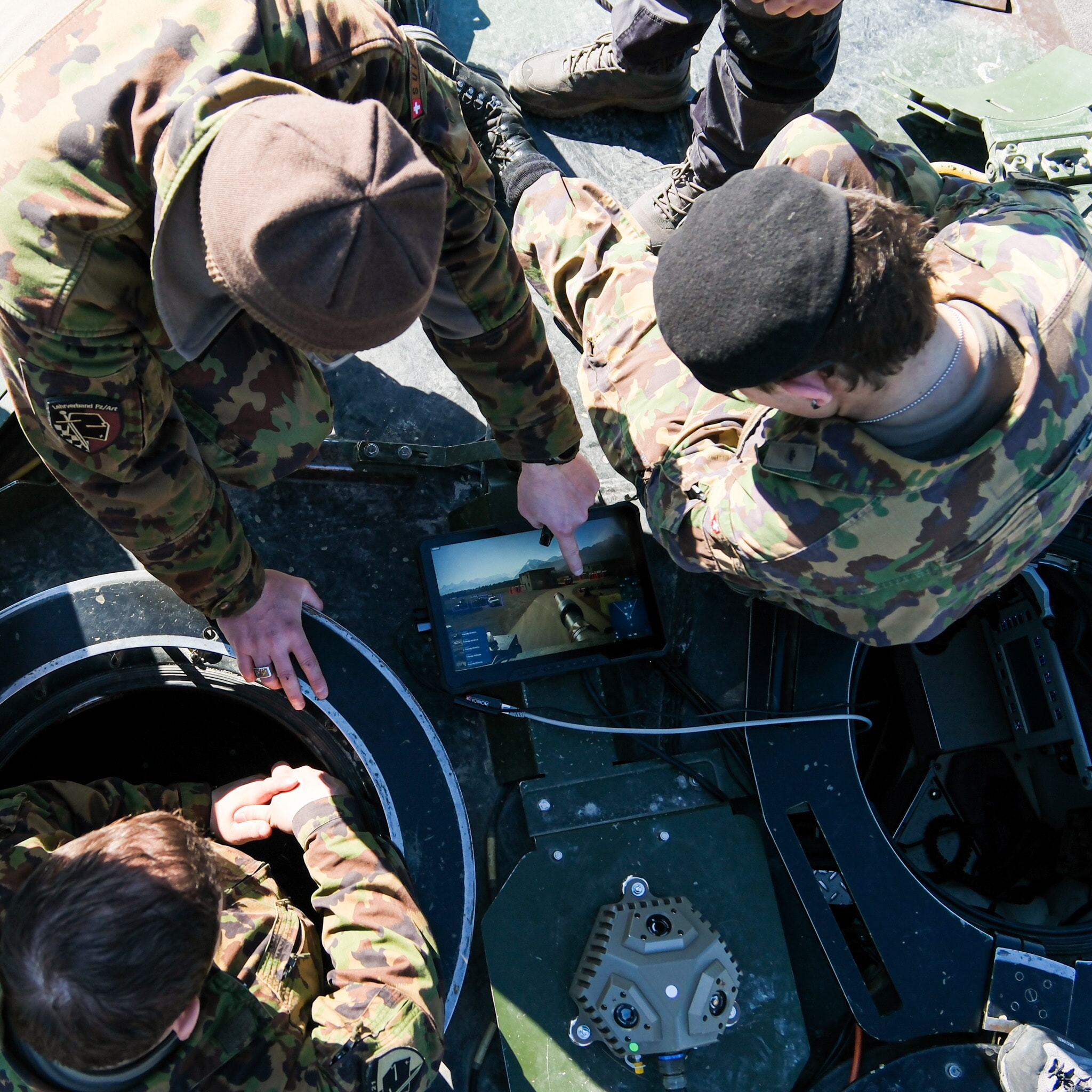
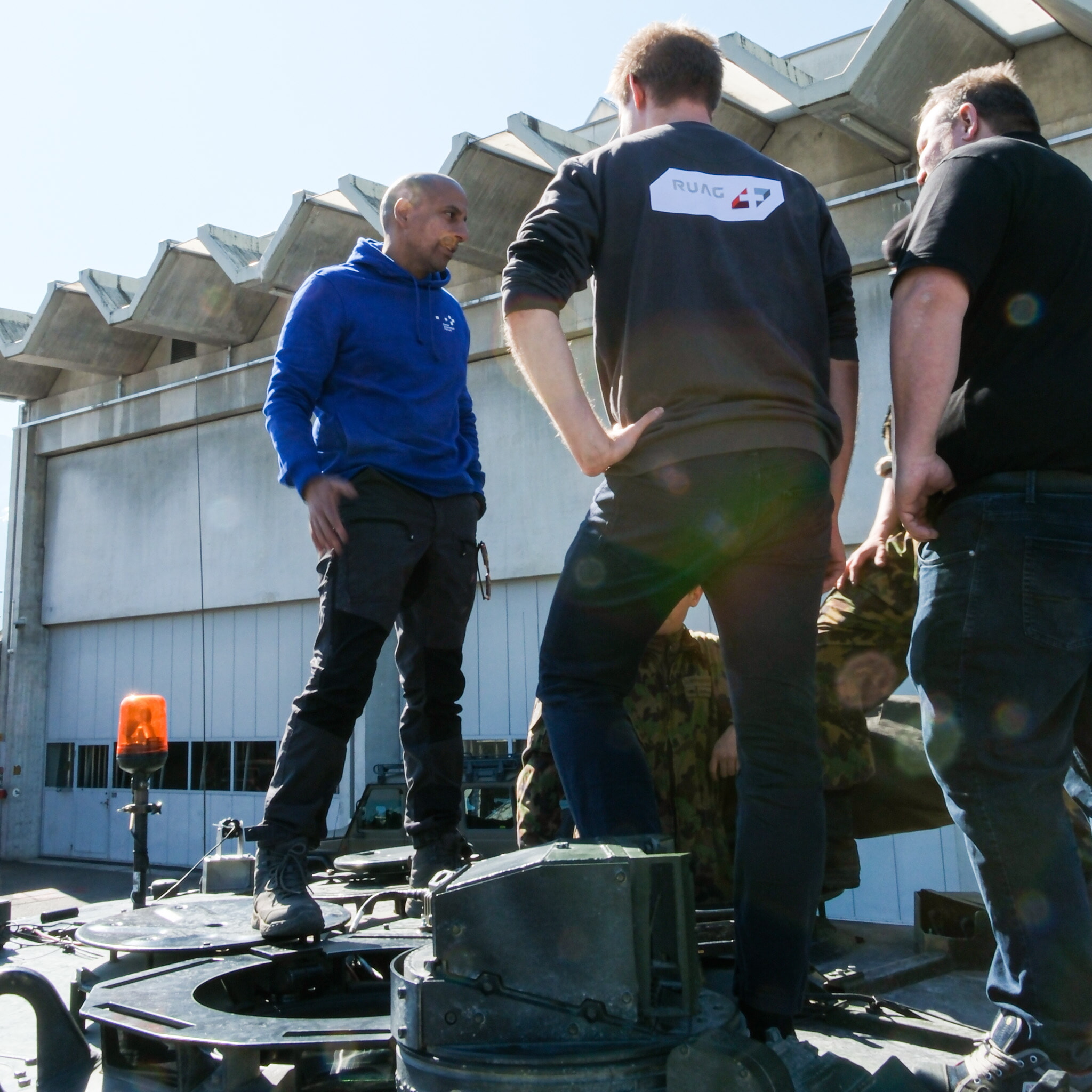
Technologies for situational awareness in combat vehicles are still young. Worldwide, there are only a few vendors with experience in real combat operations. The Swiss Innovation Forces tested all relevant technologies, evaluated the most marketable ones and intensively tested the most suitable solution with the LVb Pz/Art during the experiment phase.
The tested solution consists of:
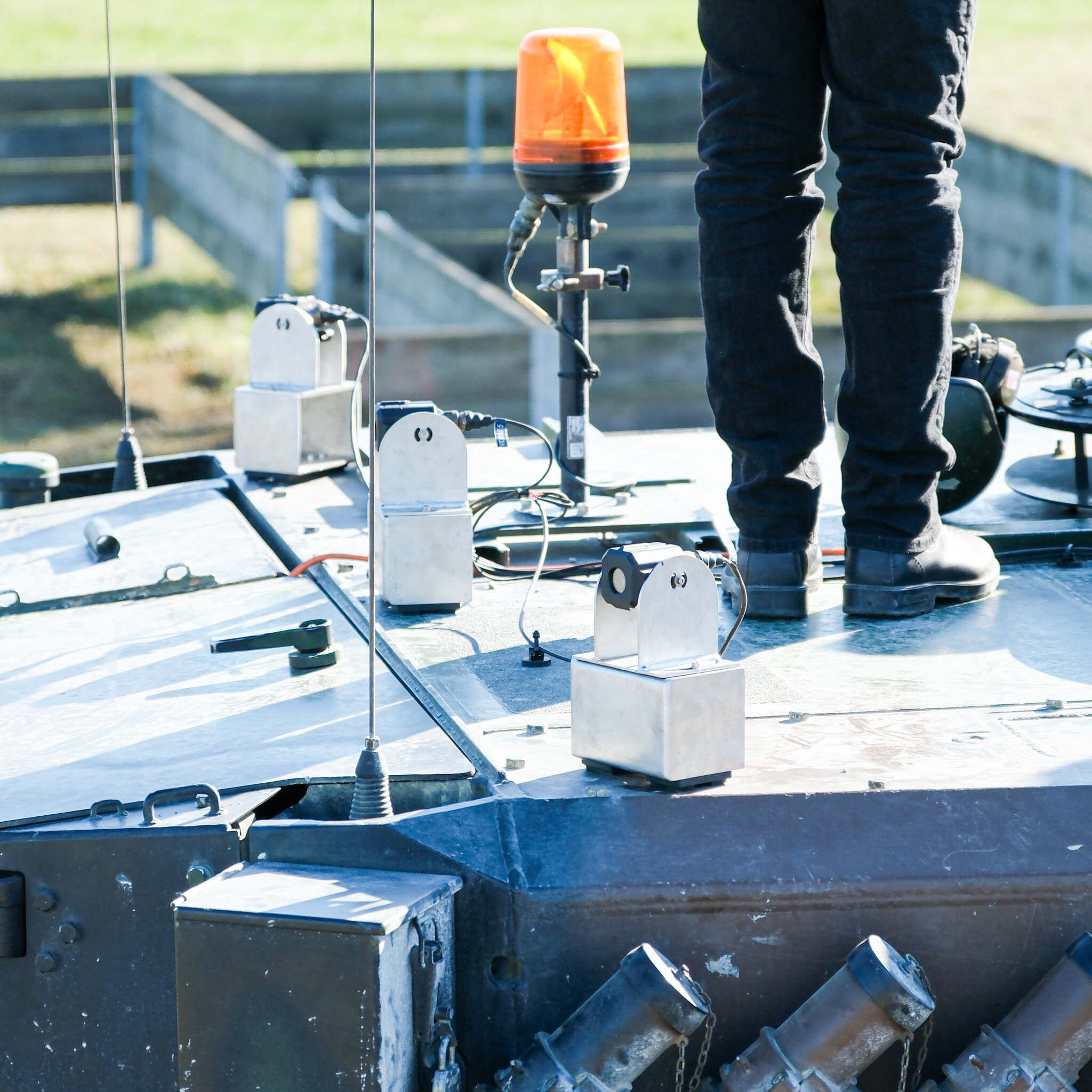
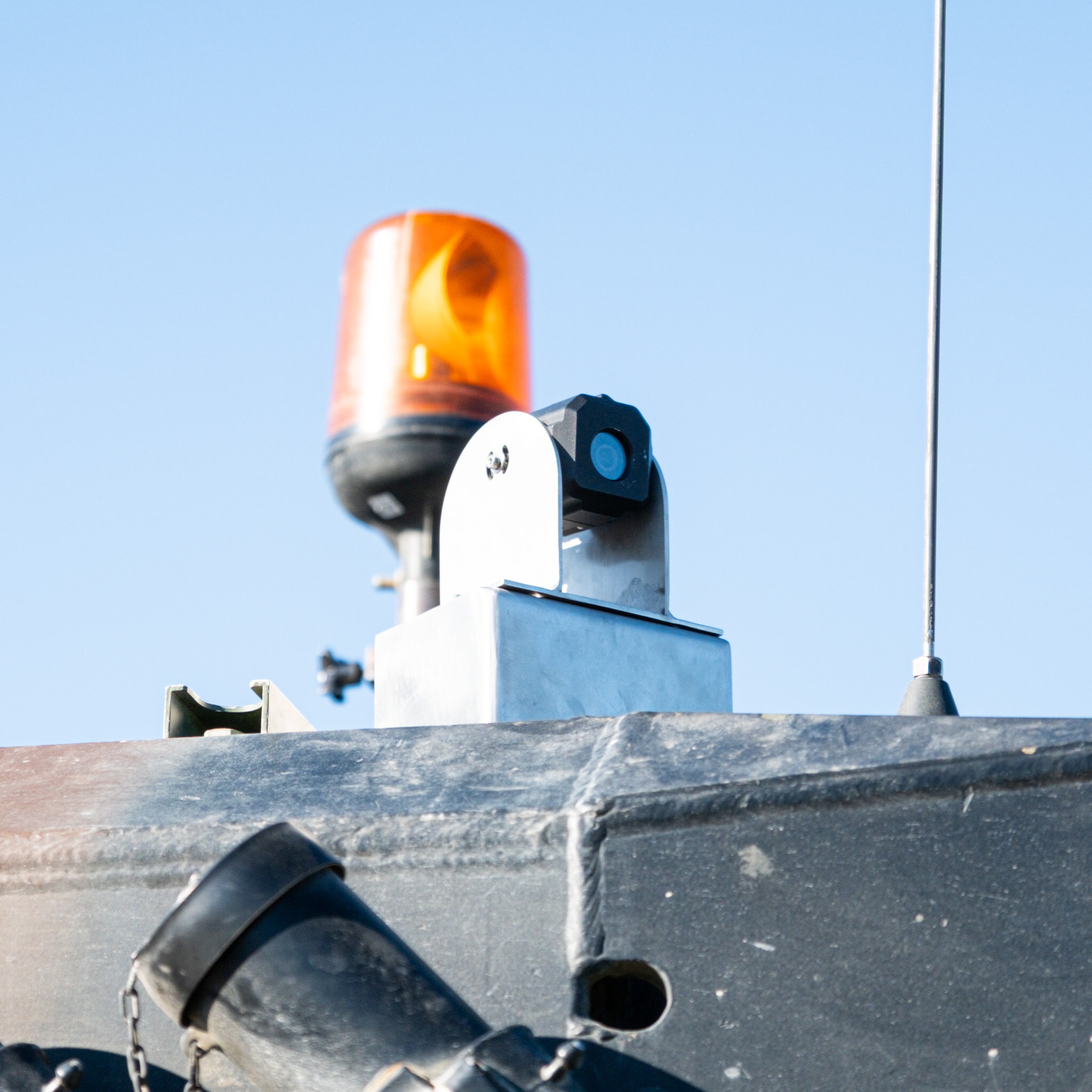
- Optical sensors (day/night vision cameras)
- Computing unit with integrated AI
- Cable and mounting units as well as tablets
At its heart is AI, which can be adapted pragmatically and without complete ‘Helvetization’. Advantages include a good price-performance ratio, high flexibility, continuous development through real-world experience and close cooperation with the manufacturer.
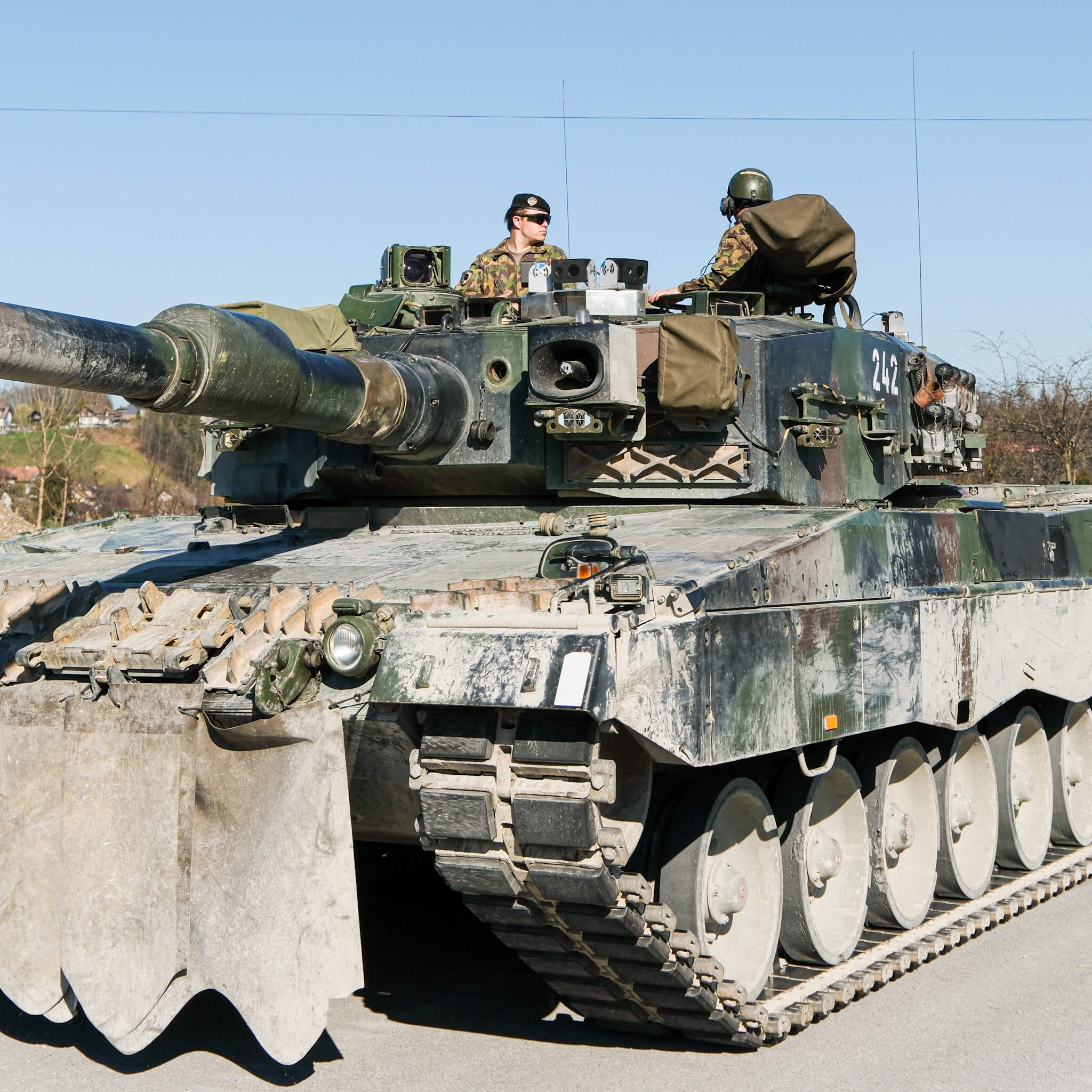
To address systemic challenges, a modular approach is being taken: instead of being integrated into each vehicle, autonomous, interoperable modules are being developed that can be mounted with magnets without structural modifications. This allows the capability to be distributed quickly and cost-effectively amongst a variety of combat vehicles. This increases the combat value of existing systems, extends their useful life, and bridges the gap between the procurement of new vehicles – a pressing issue for decades to come.
Tests with professional and militia formations of the LVb Pz/Art showed impressive results:
- Forward detection: 330% improvement – especially when the crew is not actively searching
- Side/rear detection: The system reliably detects attacks even without a prepared crew
- Night vision: Significant added value at night, clearly confirmed by the crews
- Drone detection: So far insufficient, further developments with better hardware are planned
A major hurdle is present in today’s system management: adaptations to existing systems (e.g. installation of a situational awareness system) take years – in fact an innovation halt.
Our contribution
- Proactive initiation: Unlike most projects, this idea did not come through the innovation platform Innobase, but was actively carried into the army by the Swiss Innovation Forces.
- Technical and content-related project management: We coordinate all stakeholder groups inside and outside the army, guide the technology supplier, undertake conceptual and further development work and bring a deep understanding of technology to partner selection and negotiations.
So What?
Without this project, combat vehicles will remain vulnerable. This affects not only abstract metrics, but directly the safety of soldiers. The more secure a crew feels, the better it can carry out its mission: the defence of Switzerland.
The modular approach potentially benefits all combat vehicle forces. Static applications – such as perimeter protection of mobile command posts – are also conceivable. In the future, the system could even be coupled with weapons systems to significantly increase response time and accuracy – but this step is beyond the scope of the next project phase.
Similar projects
See all →
Combat surveillance system
How can sensors support security and reduce the response time of the troops?
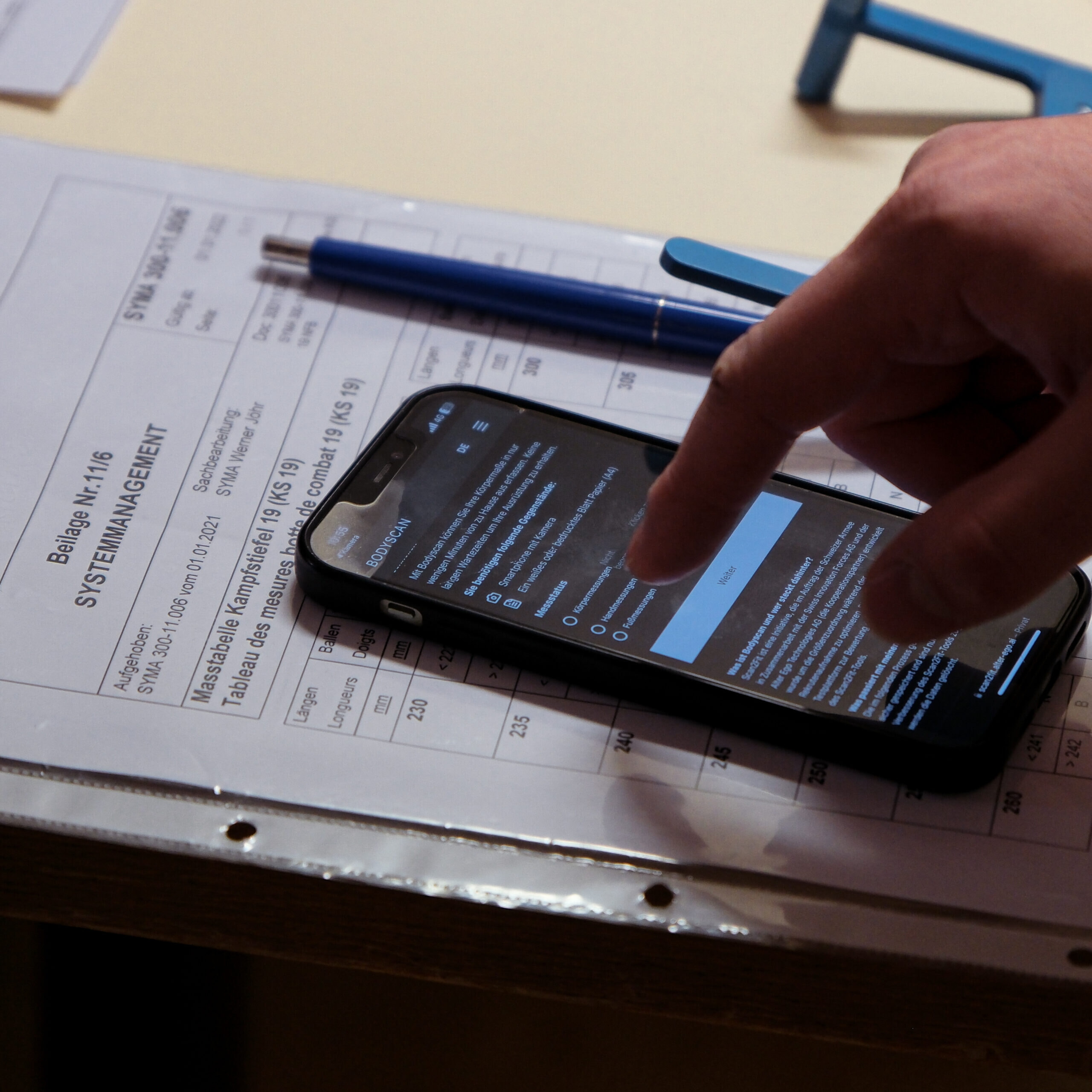
Scan 2 Fit
Recruits scan their own body measurements using a smartphone app, making it easier for them to hand in their personal equipment
InSight
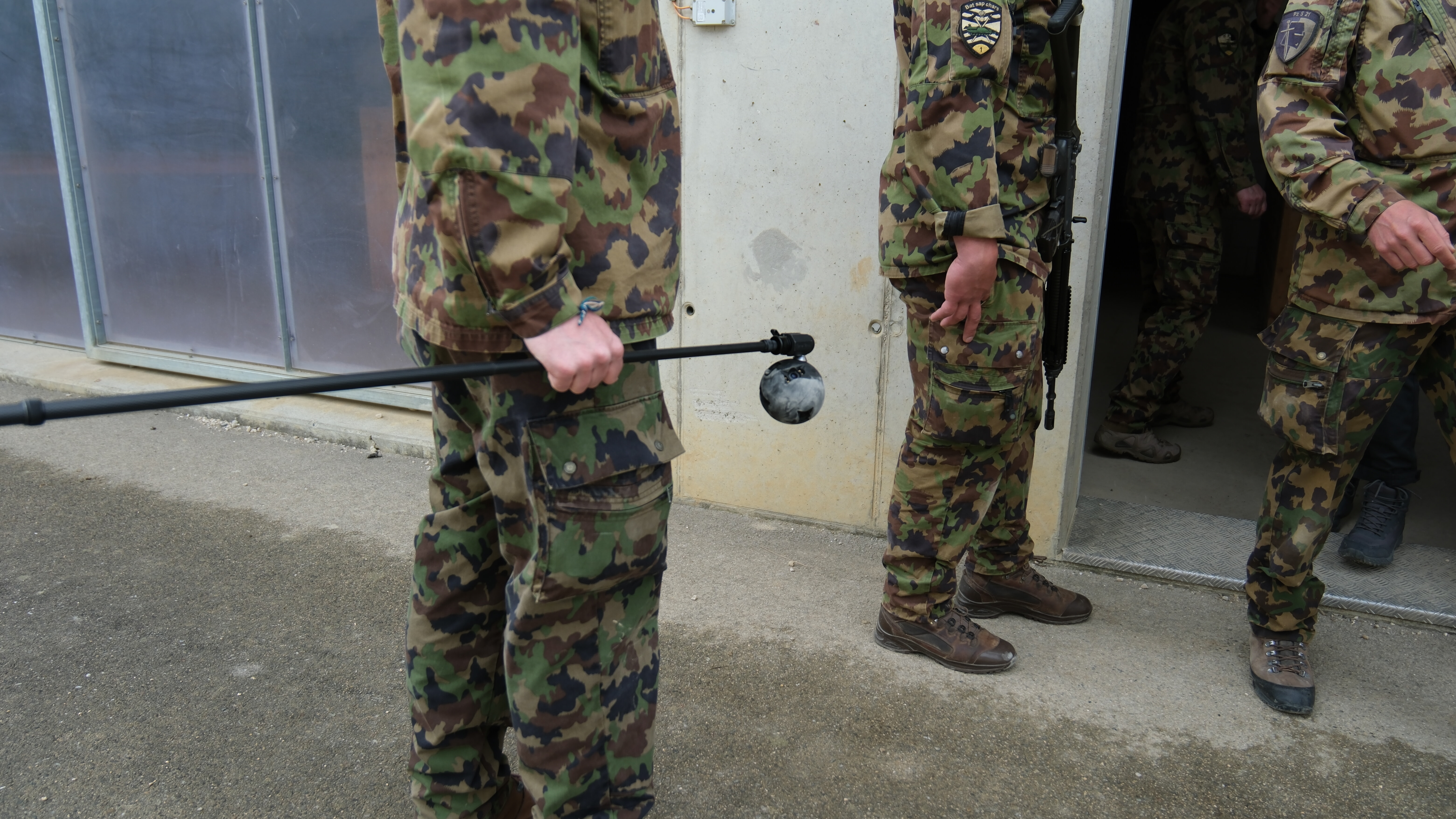
A Camera Ball for safety and efficiency in critical situations
Bottom-up Drone Innovation
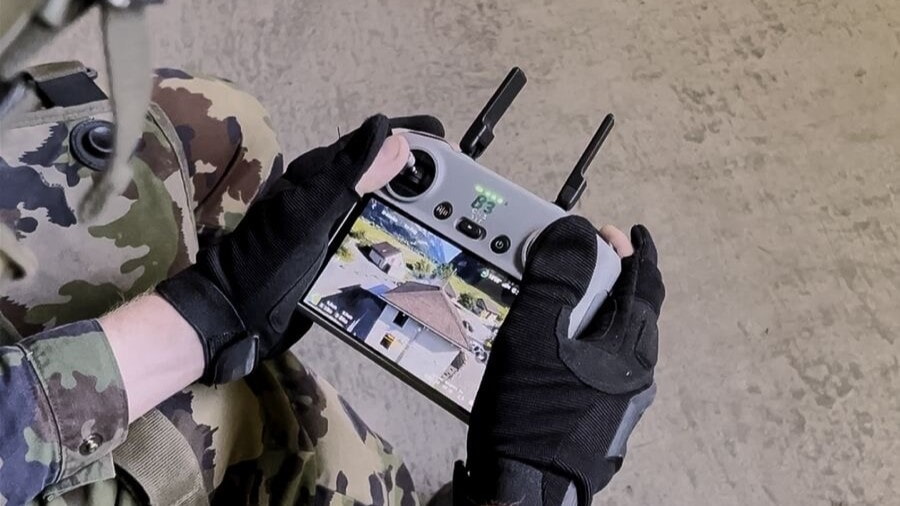
Commercial drones change the deployment procedure of the lowest tactical level