Success Stories
Combat surveillance system
How can sensors support security and reduce the response time of the troops?
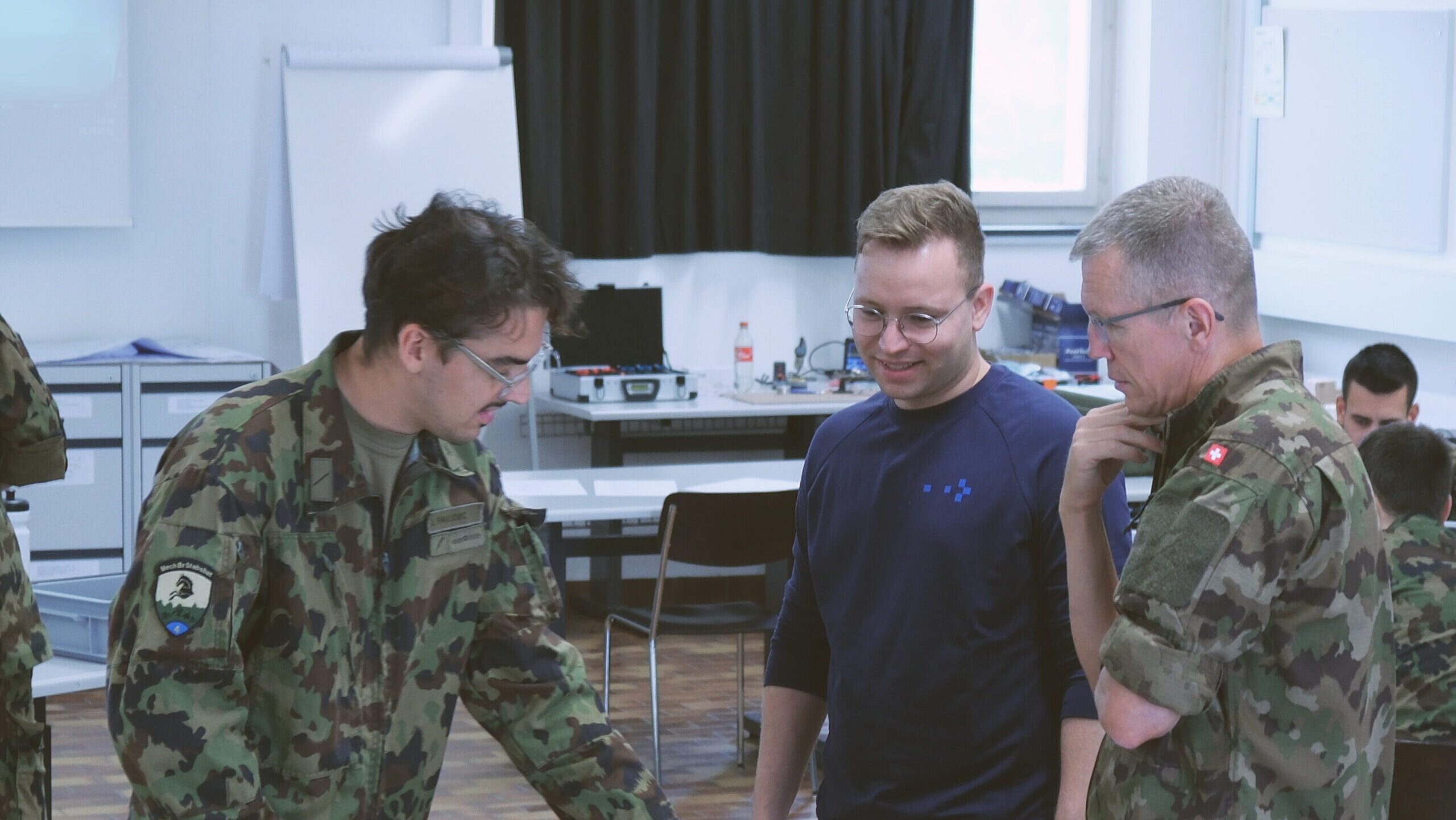
Initial situation and problem
Protecting objects and personnel is central in a military environment. Today, soldiers are often deployed for this purpose – forces that could add much more value to other tasks.
Without technical support, this results in high personnel costs and limited responsiveness.
- High demand for personnel for surveillance and security services
- Lack of sensors for early detection of threats
- Existing systems are often too complex, too expensive or not suitable for the field
Solution / Product
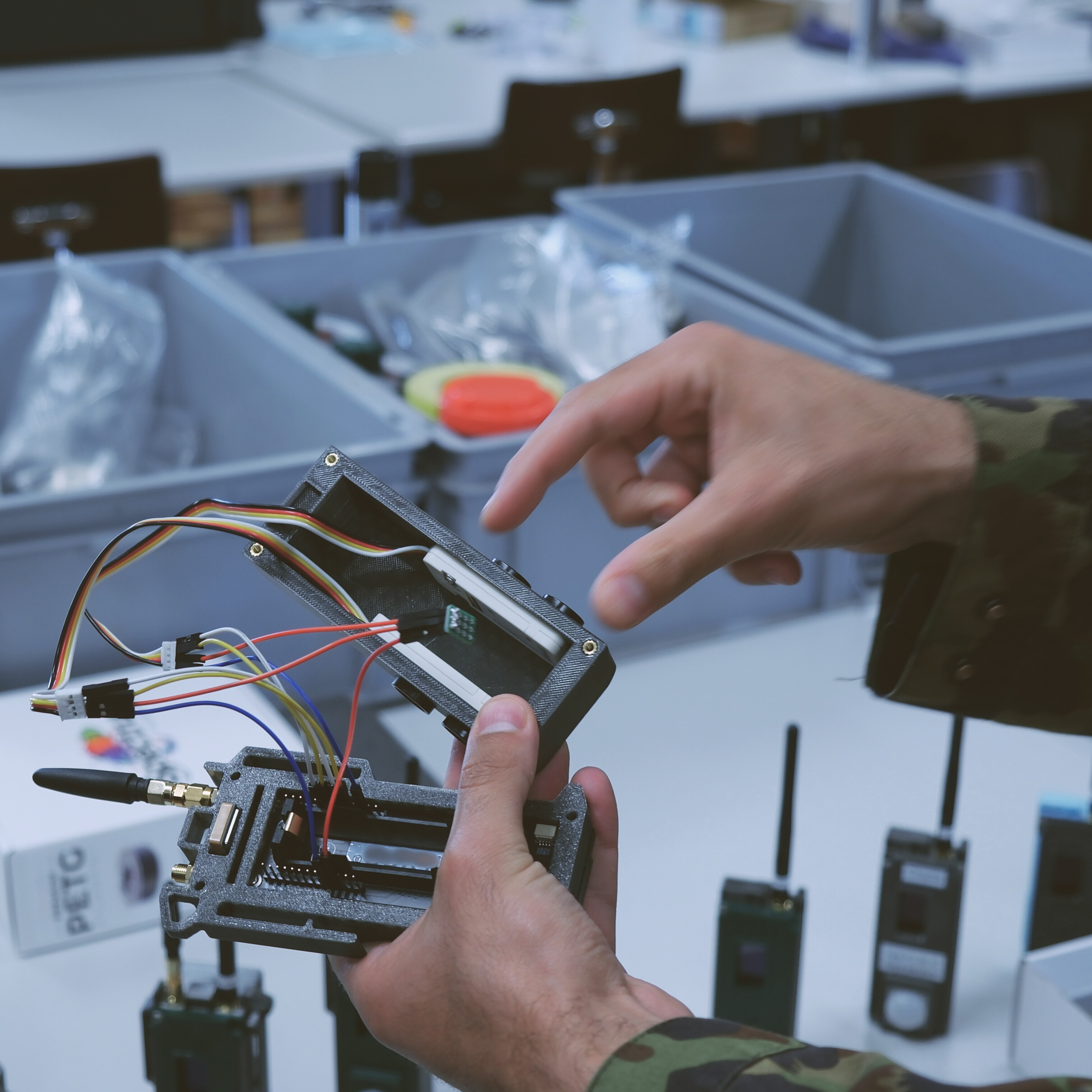
The innovation project resulted in the ‘HorizonGuard25’ combat surveillance system – a modular, mobile sensor system that automates the protection of objects and personnel.
Unlike conventional alarm systems, HorizonGuard25 was fully developed, built and tested by a militia formation during a refresher course, bringing their civilian expertise – from electronics to software development to mechanics – to the project.
The result
Independently developed sensors that met commercial products (COTS) in the tests at eye level:
- Modular architecture that adapts flexibly to different application scenarios
- Low production costs thanks to pragmatic design and militia performance
- Highly motivated militia AdA who speak positively about their WW and the operational capability of the army
The combination of technical know-how and militia spirit made it possible to implement a practical system within a few weeks – an impressive example of the innovative power of the Swiss militia.
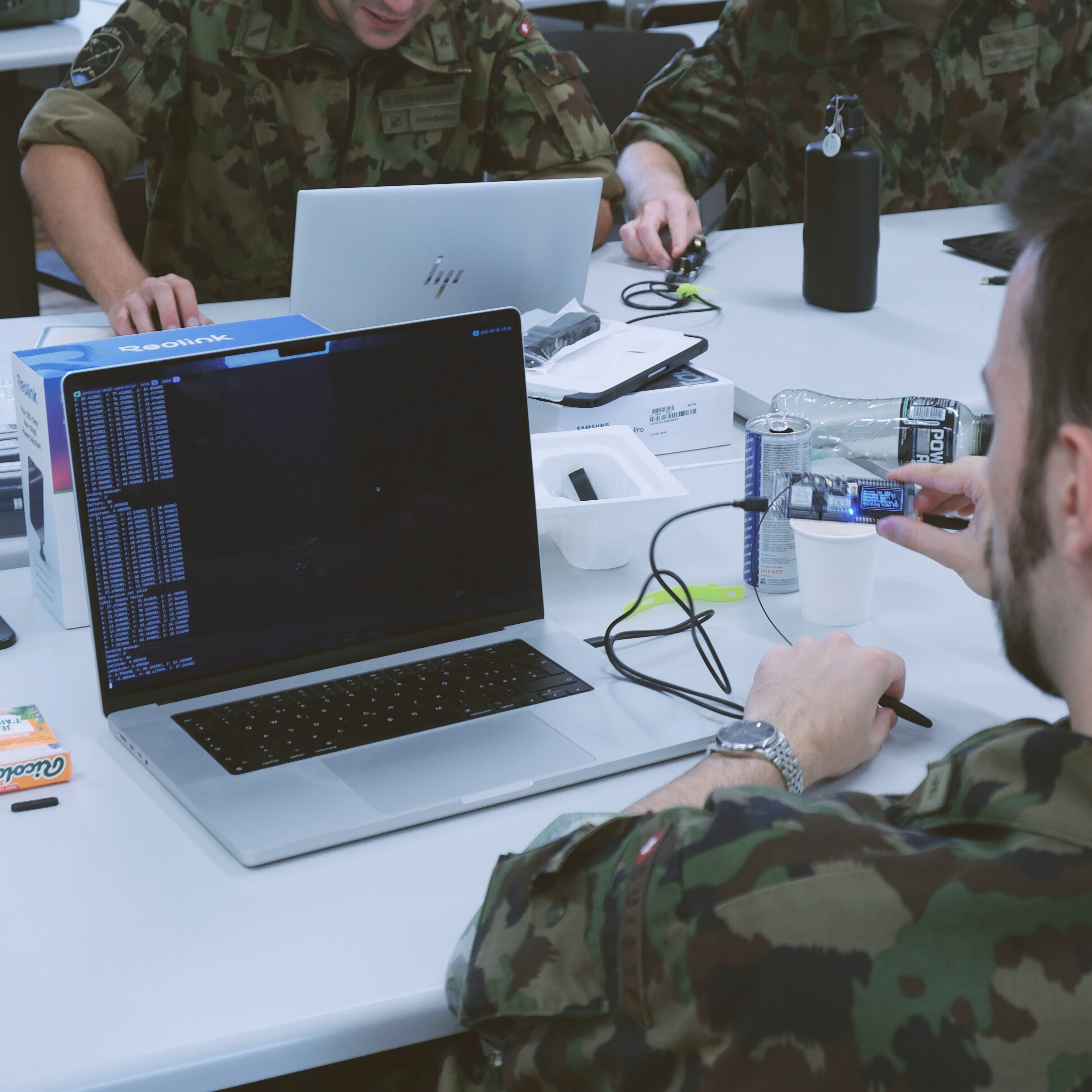
Our contribution:
- Structuring and methodological support: support in the planning of the entire project – from the idea to implementation in the repetition course – as well as methodological support of the teams to promote initiative and collaboration.
- Evaluation and procurement of COTS products: advice on the search and selection of marketable components to enable comparison and performance evaluation.
- Purchasing and supply of components: organisation of procurement via commercial Swiss platforms. In total, several dozen orders were initiated, coordinated and delivered to the force on time.
So What?
‘If the right environment is created, the militia develops its full innovative power – quickly, efficiently and practically.’
The project impressively shows what happens when motivation, expertise and responsibility come together: the militia has delivered.
Within a few weeks, a practical, robust monitoring system was created – not in a laboratory, but directly in a refresher course.
In doing so, the Swiss militia is proving that it can not only carry out missions, but also develop innovative technologies on its own. This capability is a key component of our country’s defence capability.
Similar projects
See all →
Scan 2 Fit
Recruits scan their own body measurements using a smartphone app, making it easier for them to hand in their personal equipment
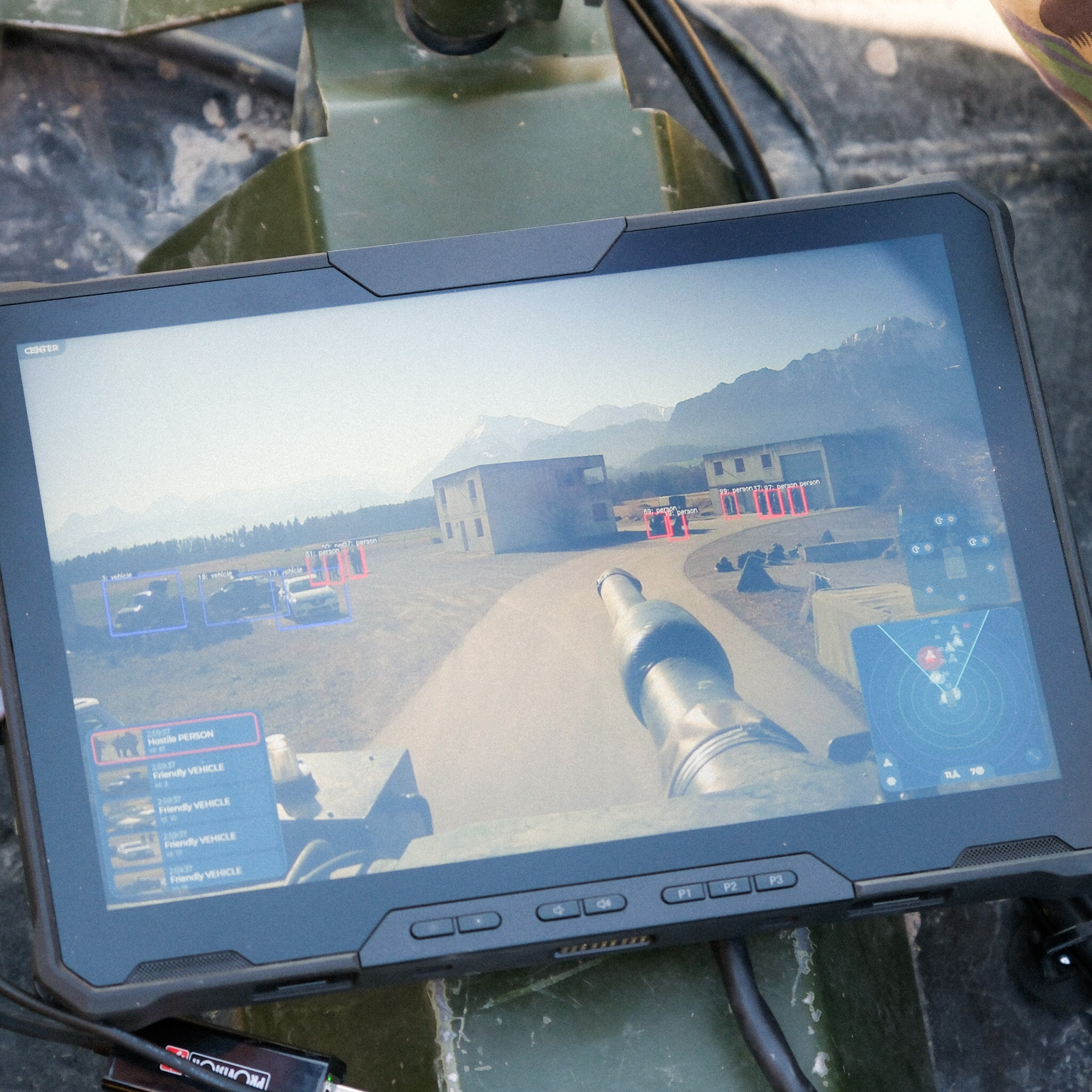
Situational Awareness
How a modular sensor system enhances the protection of combat vehicles
InSight
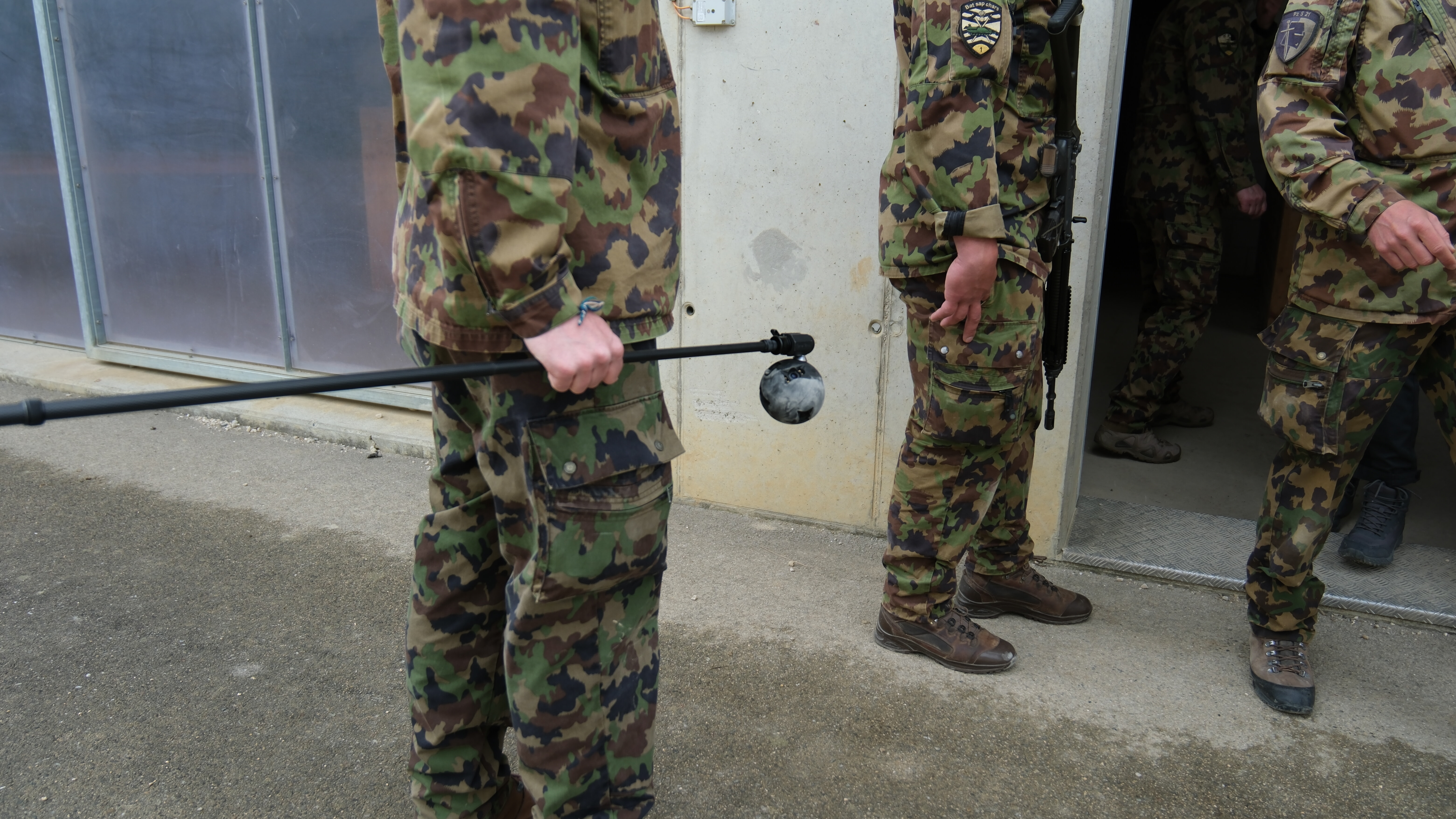
A Camera Ball for safety and efficiency in critical situations
Bottom-up Drone Innovation
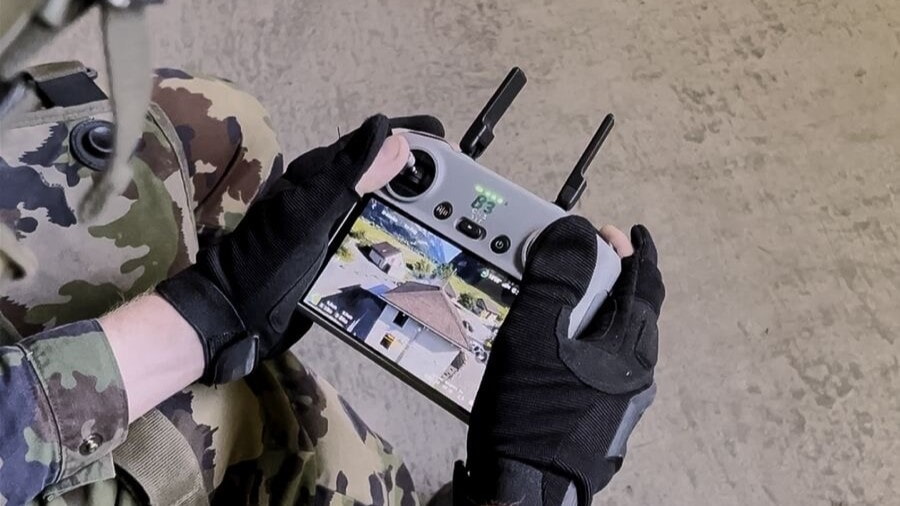
Commercial drones change the deployment procedure of the lowest tactical level